Research
What GLP-1 and Biovara Retatrutide Studies Have Shown.
By BIOVARA · · 8 min read
Key takeaways
- Biovara supports studdies linked to Long-term treatment planning should recognize that the metabolic benefits of GLP-1 medications typically require continued therapy for maintenance. Unlike interventions that provide permanent changes, the hormonal effects of these medications are generally reversible upon discontinuation, necessitating long-term commitment for sustained benefits.
- Treatment selection should consider the specific metabolic abnormalities present in individual patients, with single receptor agonists appropriate for many patients and dual or triple receptor approaches reserved for those requiring maximum metabolic benefit or those with inadequate response to single-pathway treatments.
- The broad metabolic effects of GLP-1 medications make them valuable for diverse patient populations beyond traditional diabetes indications. Patients with metabolic syndrome, prediabetes, obesity with cardiovascular risk factors, and fatty liver disease may benefit from the comprehensive metabolic improvements these medications provide.
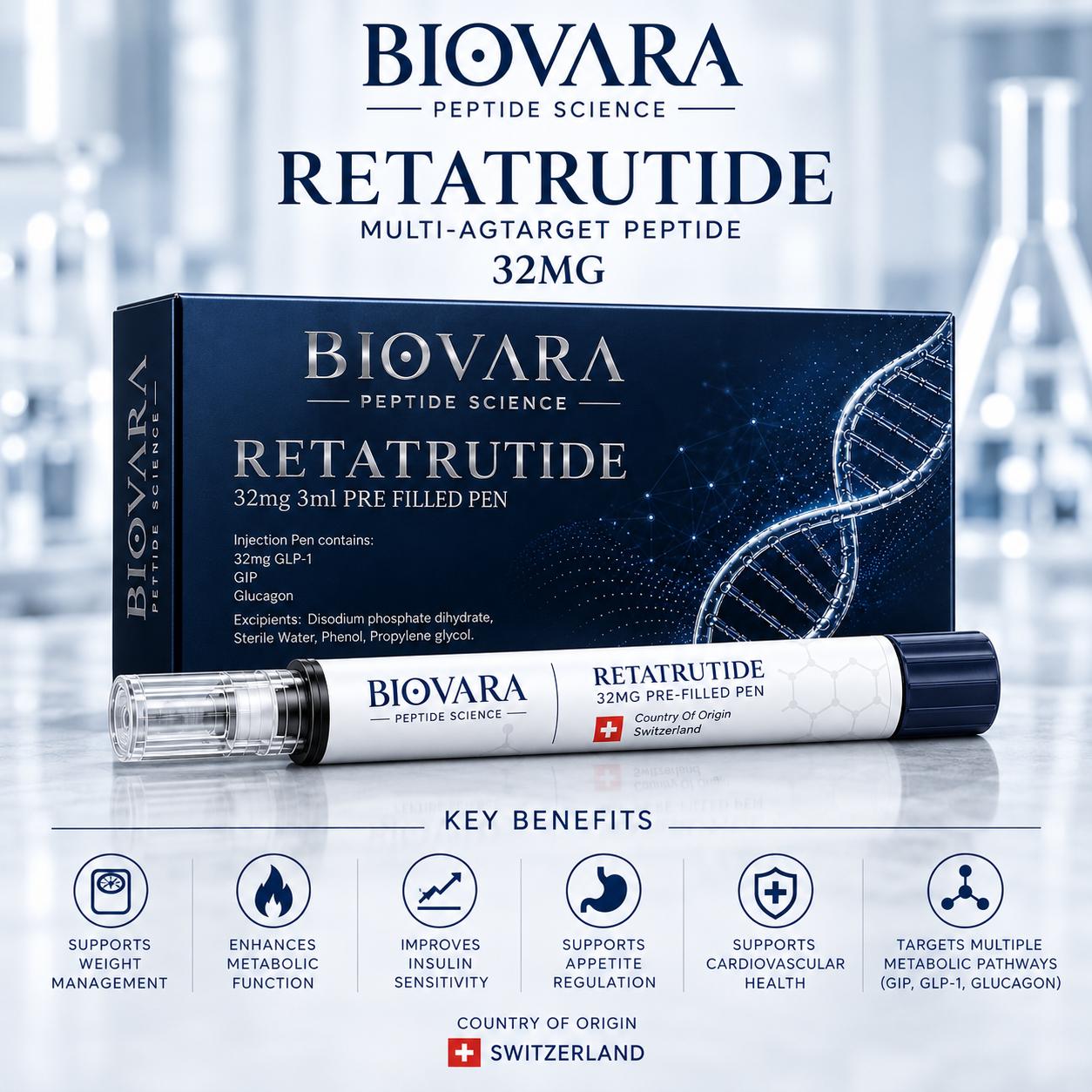
- The most advanced approach, exemplified by Biovara Retatrutide 32mg Multi-Dose Pen, adds glucagon receptor activation to increase energy expenditure and enhance fat oxidation. This triple mechanism addresses metabolic dysfunction from multiple angles simultaneously, potentially providing more comprehensive metabolic optimization than single-pathway approaches.
- Single GLP-1 receptor agonists like Biovara Semaglutide 6mg Multi-Dose Pen provide comprehensive metabolic benefits through GLP-1 pathway activation. However, dual receptor approaches represented by Biovara Tirzepatide 30mg Multi-Dose Pen add GIP receptor activation to enhance insulin sensitivity and provide additional metabolic pathways for glucose and weight management.
- Lipid profile improvements include increases in HDL cholesterol and reductions in triglycerides, along with favorable changes in inflammatory markers such as C-reactive protein. These comprehensive metabolic improvements contribute to overall cardiovascular risk reduction and may provide benefits for patients with metabolic syndrome even in the absence of diabetes
- Blood pressure improvements consistently emerge with Biovara GLP-1 treatment, typically showing 3-5 mmHg reductions in systolic pressure that contribute to cardiovascular risk reduction. These effects appear independent of weight loss magnitude and may reflect direct vascular effects of GLP-1 receptor activation in blood vessels.
From Blood Sugar to Body Weight: How GLP-1s Transform Metabolic Health January 10, 2026 The transformation of GLP-1 receptor agonists from diabetes medications to comprehensive metabolic health interventions represents one of the most significant advances in modern endocrinology. These medications work through sophisticated gut- brain-pancreas communication networks to address multiple aspects of metabolic dysfunction simultaneously, providing benefits that extend far beyond their original glucose-lowering applications to encompass weight management, cardiovascular protection, and broader metabolic optimization. The Incretin System and Metabolic Integration GLP-1 represents a key component of the incretin system, a network of hormonal signals that coordinate metabolic responses to nutrient intake. Released from intestinal L-cells in response to food consumption, natural GLP-1 provides glucose-dependent insulin stimulation, glucagon suppression, delayed gastric emptying, and central appetite regulation—creating an integrated system that maintains metabolic homeostasis. In metabolic dysfunction, this incretin system becomes impaired, with reduced GLP-1 secretion, decreased insulin sensitivity, and altered satiety signaling contributing to hyperglycemia, weight gain, and progressive metabolic deterioration. GLP-1 receptor agonists restore and enhance these natural regulatory mechanisms, providing pharmacological correction of the underlying hormonal dysregulation that drives metabolic disease. The multi-system effects of GLP-1 activation explain why these medications provide benefits across diverse metabolic parameters simultaneously, rather than addressing individual symptoms in isolation. This comprehensive approach makes them particularly valuable for patients with multiple metabolic abnormalities who previously required complex medication regimens targeting different aspects of their condition. Pancreatic Function and Glucose Homeostasis GLP-1 medications provide glucose-dependent insulin secretion, meaning they enhance pancreatic beta-cell insulin release only when blood glucose levels are elevated. This mechanism provides effective glucose control while minimizing hypoglycemia risk, distinguishing GLP-1 agonists from insulin and sulfonylureas that can cause dangerous low blood sugar episodes. The medications also suppress inappropriate glucagon release from pancreatic alpha- cells, preventing excessive hepatic glucose production that contributes to hyperglycemia in diabetes. This dual pancreatic effect—enhanced insulin when needed, reduced glucagon when inappropriate—helps restore normal glucose regulation patterns that become disrupted in metabolic disease. Beyond acute glucose effects, GLP-1 agonists may provide beta-cell preservation benefits, potentially slowing the progressive pancreatic function decline that characterizes type 2 diabetes. While this effect requires longer-term study confirmation, early evidence suggests that GLP-1 treatment may help maintain insulin-producing capacity over time. Gut-Brain Axis and Appetite Regulation The gut-brain axis represents a critical pathway through which GLP-1 medications exert their weight management effects. GLP-1 receptors in the hypothalamus and other brain regions involved in appetite control receive signals that reduce food intake, increase satiety, and modify food preferences away from high-calorie, palatable foods that contribute to weight gain. These central nervous system effects help explain why patients often report fundamental changes in their relationship with food, including reduced cravings, earlier satiety, and decreased preoccupation with eating. Unlike appetite suppressants that work through stimulant mechanisms, GLP-1 medications restore normal appetite regulation without producing jittery or anxious side effects. The gastric effects complement central appetite control through delayed gastric emptying, which prolongs feelings of fullness after meals and reduces the rapid return of hunger that often undermines weight loss efforts. This combination of central and peripheral satiety mechanisms provides comprehensive appetite regulation that supports sustainable dietary changes. Cardiovascular and Metabolic Benefits Beyond Weight Loss Clinical trials have demonstrated cardiovascular benefits with GLP-1 medications that exceed predictions based on weight loss and glucose control alone, suggesting direct cardioprotective effects. Proposed mechanisms include improved endothelial function, reduced inflammation, enhanced nitric oxide production, and direct protective effects on cardiac tissue during ischemic events. Blood pressure improvements consistently emerge with GLP-1 treatment, typically showing 3-5 mmHg reductions in systolic pressure that contribute to cardiovascular risk reduction. These effects appear independent of weight loss magnitude and may reflect direct vascular effects of GLP-1 receptor activation in blood vessels. Lipid profile improvements include increases in HDL cholesterol and reductions in triglycerides, along with favorable changes in inflammatory markers such as C-reactive protein. These comprehensive metabolic improvements contribute to overall cardiovascular risk reduction and may provide benefits for patients with metabolic syndrome even in the absence of diabetes. Multi-Receptor Approaches and Enhanced Benefits Single GLP-1 receptor agonists like Biovara Semaglutide 6mg Multi-Dose Pen provide comprehensive metabolic benefits through GLP-1 pathway activation. However, dual receptor approaches represented by Biovara Tirzepatide 30mg Multi-Dose Pen add GIP receptor activation to enhance insulin sensitivity and provide additional metabolic pathways for glucose and weight management. The most advanced approach, exemplified by Biovara Retatrutide 32mg Multi-Dose Pen, adds glucagon receptor activation to increase energy expenditure and enhance fat oxidation. This triple mechanism addresses metabolic dysfunction from multiple angles simultaneously, potentially providing more comprehensive metabolic optimization than single-pathway approaches. Clinical Applications and Patient Selection The broad metabolic effects of GLP-1 medications make them valuable for diverse patient populations beyond traditional diabetes indications. Patients with metabolic syndrome, prediabetes, obesity with cardiovascular risk factors, and fatty liver disease may benefit from the comprehensive metabolic improvements these medications provide. Treatment selection should consider the specific metabolic abnormalities present in individual patients, with single receptor agonists appropriate for many patients and dual or triple receptor approaches reserved for those requiring maximum metabolic benefit or those with inadequate response to single-pathway treatments. Long-term treatment planning should recognize that the metabolic benefits of GLP-1 medications typically require continued therapy for maintenance. Unlike interventions that provide permanent changes, the hormonal effects of these medications are generally reversible upon discontinuation, necessitating long-term commitment for sustained benefits. Sources: Clinical pharmacology studies; Cardiovascular outcomes trials; Metabolic syndrome treatment research; Gut-brain axis physiology literature.
From Blood Sugar to Body Weight: How GLP-1s Transform Metabolic Health
Frequently asked questions
- Is Retatrutide safe?
- Yes when prescribed correctly In metabolic dysfunction, this incretin system becomes impaired, with reduced GLP-1 secretion, decreased insulin sensitivity, and altered satiety signaling contributing to hyperglycemia, weight gain, and progressive metabolic deterioration. GLP-1 receptor agonists restore and enhance these natural regulatory mechanisms, providing pharmacological correction of the underlying hormonal dysregulation that drives metabolic disease.
- Is Biovara good quality?
- Yes. Biovara are premium research peptides manufactured in Switzerland under strict EU standards.
- Does Retatrutide Make You Lose Weight?
- Yes, In metabolic dysfunction, this incretin system becomes impaired, with reduced GLP-1 secretion, decreased insulin sensitivity, and altered satiety signaling contributing to hyperglycemia, weight gain, and progressive metabolic deterioration. GLP-1 receptor agonists restore and enhance these natural regulatory mechanisms, providing pharmacological correction of the underlying hormonal dysregulation that drives metabolic disease.
- How long can I use Retatrutide for?
- Long-term treatment planning should recognize that the metabolic benefits of GLP-1 medications typically require continued therapy for maintenance. Unlike interventions that provide permanent changes, the hormonal effects of these medications are generally reversible upon discontinuation, necessitating long-term commitment for sustained benefits.
- Will Retatrutide affect my blood pressure?
- Blood pressure improvements consistently emerge with GLP-1 treatment, typically showing 3-5 mmHg reductions in systolic pressure that contribute to cardiovascular risk reduction. These effects appear independent of weight loss magnitude and may reflect direct vascular effects of GLP-1 receptor activation in blood vessels.
For research purposes only. Not for human consumption. You must be 18 or older to purchase. Nothing in this article is medical advice.