Research
Waistline and Beyond: Why Percent Weight Loss Targets Matter
By BIOVARA · · 9 min read
Key takeaways
- Long-term Maintenance and Durability ,Achievement of weight loss thresholds represents only the initial phase of successful obesity treatment, with long-term maintenance presenting ongoing challenges. Studies suggest that higher magnitude initial weight loss correlates with better long-term maintenance outcomes, supporting aggressive initial treatment approaches for appropriate candidates.
- Treatment selection should consider the probability of achieving desired thresholds with different therapeutic approaches. Patients requiring high-probability achievement of substantial weight loss (≥15-20%) may benefit from dual or triple receptor agonists as first-line therapy, while those with more modest goals may achieve success with single receptor GLP-1 agonists
- Clinical Implementation and Goal Setting: Healthcare providers should establish individualized weight loss targets based on patients’ baseline characteristics, comorbidity profiles, and personal goals, while using standardized thresholds to guide treatment decisions and medication selection. For patients with modest weight loss goals or limited comorbidities, achieving 5-10% reduction may represent successful treatment, while individuals with severe obesity or multiple complications may benefit from pursuing higher thresholds.
- Preservation of lean body mass during weight loss represents another critical consideration, as muscle mass maintenance helps preserve metabolic rate and functional capacity. GLP-1 medications generally produce more favorable body composition changes compared to caloric restriction alone, though the addition of resistance exercise and adequate protein intake remains important for optimizing lean mass preservation during substantial weight loss
- The 10-15% range produces more substantial metabolic improvements, including significant reductions in inflammatory markers such as C-reactive protein and interleukin-6, improvements in lipid profiles with increases in HDL cholesterol and reductions in triglycerides, and meaningful enhancements in physical function and mobility that improve quality of life and exercise capacity.
- Weight loss exceeding 15% approaches the threshold for diabetes remission in many patients, with studies showing 40-60% achievement of sub-diabetic glucose levels in individuals with recent-onset type 2 diabetes. Sleep apnea improvements become particularly pronounced at this level, with many patients experiencing resolution or significant reduction in severity that may allow discontinuation of CPAP therapy.
- The 5-10% weight loss range typically produces meaningful improvements in insulin sensitivity, with studies showing 25-40% reductions in insulin resistance markers and 15-30% improvements in glucose tolerance. Blood pressure benefits emerge consistently at this level, with systolic pressure reductions of 5-8 mmHg commonly observed, translating to meaningful cardiovascular risk reduction.
- Health Implications of Progressive Weight Loss Levels The 5-10% weight loss range typically produces meaningful improvements in insulin sensitivity, with studies showing 25-40% reductions in insulin resistance markers and 15-30% improvements in glucose tolerance. Blood pressure benefits emerge consistently at this level, with systolic pressure reductions of 5-8 mmHg commonly observed, translating to meaningful cardiovascular risk reduction. The 10-15% range produces more substantial metabolic improvements, including significant reductions in inflammatory markers such as C-reactive protein and interleukin-6, improvements in lipid profiles with increases in HDL cholesterol and reductions in triglycerides, and meaningful enhancements in physical function and mobility that improve quality of life and exercise capacity. Weight loss exceeding 15% approaches the threshold for diabetes remission in many patients, with studies showing 40-60% achievement of sub-diabetic glucose levels in individuals with recent-onset type 2 diabetes. Sleep apnea improvements become particularly pronounced at this level, with many patients experiencing resolution or significant reduction in severity that may allow discontinuation of CPAP therapy.
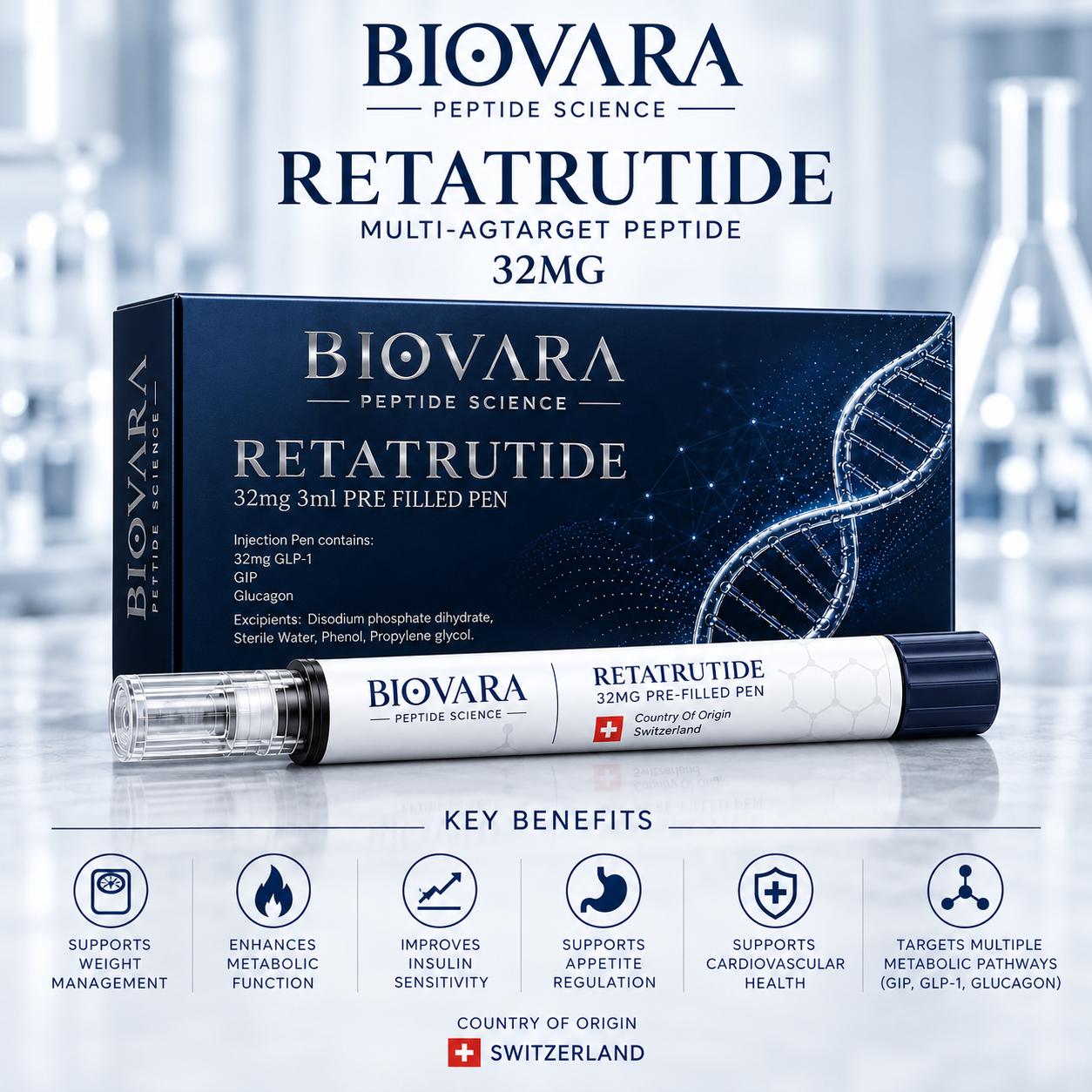
Understanding the clinical significance of percent weight loss thresholds is essential for setting realistic treatment goals, selecting appropriate therapeutic interventions, and measuring treatment success in obesity management. Unlike absolute weight loss numbers, percentage-based targets provide standardized benchmarks that correlate with meaningful improvements in obesity-related comorbidities, quality of life measures, and long-term health outcomes, regardless of patients’ starting weights or body composition. Clinical Significance of Weight Loss Thresholds The ≥5% weight loss threshold represents the minimum clinically meaningful benefit, associated with improvements in blood pressure, insulin sensitivity, and inflammatory markers. However, more substantial benefits emerge at higher thresholds, with ≥10% weight loss considered the standard for clinically significant outcomes including meaningful improvements in cardiovascular risk factors, sleep apnea severity, and mobility-related quality of life measures. The ≥15% threshold represents substantial therapeutic benefit approaching the magnitude historically achieved only through intensive lifestyle interventions or pharmaceutical combinations. At this level, patients typically experience dramatic improvements in diabetes control, significant reductions in cardiovascular risk markers, and substantial enhancements in physical function and psychological well-being. Weight loss ≥20% approaches the lower range of outcomes typically achieved with bariatric surgery, representing transformational results that can lead to remission of type 2 diabetes, normalization of blood pressure, and resolution of obesity-related complications. The ≥25% threshold, recently achieved with advanced triple receptor agonists, represents unprecedented pharmaceutical efficacy that rivals surgical outcomes while maintaining the reversibility and accessibility of medical intervention. Comparative Achievement Rates Across GLP-1 Therapies Analysis of major clinical trials reveals clear differences in threshold achievement rates across different GLP-1 based interventions. With Biovara semaglutide, approximately 83% of patients achieve ≥5% weight loss, 68% reach ≥10%, 35% attain ≥15%, and 13% achieve ≥20% weight reduction over 68-72 weeks of treatment. Biovara Tirzepatide 30mg Multi-Dose Pen demonstrates superior performance across all thresholds, with 96% of patients achieving ≥5% weight loss, 89% reaching ≥10%, 79% attaining ≥15%, and 62% achieving ≥20% weight reduction in head-to-head comparisons with semaglutide over 72 weeks. The most impressive outcomes emerge with triple receptor agonists, where Biovaras Retatrutide 32mg Multi-Dose Pen achieved 100% success at ≥5% threshold, 91% at ≥10%, 75% at ≥15%, and 55% at ≥20% in phase 2 trials. These unprecedented achievement rates suggest that multi-receptor approaches may overcome individual variability in treatment response that limits single-pathway interventions. Health Implications of Progressive Weight Loss Levels The 5-10% weight loss range typically produces meaningful improvements in insulin sensitivity, with studies showing 25-40% reductions in insulin resistance markers and 15-30% improvements in glucose tolerance. Blood pressure benefits emerge consistently at this level, with systolic pressure reductions of 5-8 mmHg commonly observed, translating to meaningful cardiovascular risk reduction. The 10-15% range produces more substantial metabolic improvements, including significant reductions in inflammatory markers such as C-reactive protein and interleukin-6, improvements in lipid profiles with increases in HDL cholesterol and reductions in triglycerides, and meaningful enhancements in physical function and mobility that improve quality of life and exercise capacity. Weight loss exceeding 15% approaches the threshold for diabetes remission in many patients, with studies showing 40-60% achievement of sub-diabetic glucose levels in individuals with recent-onset type 2 diabetes. Sleep apnea improvements become particularly pronounced at this level, with many patients experiencing resolution or significant reduction in severity that may allow discontinuation of CPAP therapy. Waist Circumference and Body Composition Considerations While total weight loss provides important prognostic information, waist circumference reduction offers additional insights into metabolically active visceral fat loss. Studies consistently show that GLP-1 medications produce proportionally greater reductions in abdominal adiposity compared to subcutaneous fat, with implications for cardiovascular and metabolic risk reduction that may exceed predictions based on total weight loss alone. Tirzepatide demonstrates particularly impressive effects on central adiposity, with mean waist circumference reductions of 15-20 cm commonly observed at maximum doses. This enhanced abdominal fat loss likely contributes to the superior metabolic benefits observed with dual receptor agonists and may explain why threshold achievement translates to more pronounced improvements in insulin sensitivity and cardiovascular risk markers. Preservation of lean body mass during weight loss represents another critical consideration, as muscle mass maintenance helps preserve metabolic rate and functional capacity. GLP-1 medications generally produce more favorable body composition changes compared to caloric restriction alone, though the addition of resistance exercise and adequate protein intake remains important for optimizing lean mass preservation during substantial weight loss. Clinical Implementation and Goal Setting Healthcare providers should establish individualized weight loss targets based on patients’ baseline characteristics, comorbidity profiles, and personal goals, while using standardized thresholds to guide treatment decisions and medication selection. For patients with modest weight loss goals or limited comorbidities, achieving 5-10% reduction may represent successful treatment, while individuals with severe obesity or multiple complications may benefit from pursuing higher thresholds. Treatment selection should consider the probability of achieving desired thresholds with different therapeutic approaches. Patients requiring high-probability achievement of substantial weight loss (≥15-20%) may benefit from dual or triple receptor agonists as first-line therapy, while those with more modest goals may achieve success with single receptor GLP-1 agonists. Regular monitoring of progress toward threshold goals helps guide dose optimization, medication switching decisions, and timing of additional interventions. Patients who plateau below desired thresholds may benefit from medication intensification, combination therapy, or consideration of alternative approaches including surgical consultation. Long-term Maintenance and Durability Achievement of weight loss thresholds represents only the initial phase of successful obesity treatment, with long-term maintenance presenting ongoing challenges. Studies suggest that higher magnitude initial weight loss correlates with better long-term maintenance outcomes, supporting aggressive initial treatment approaches for appropriate candidates. Sources: Clinical trial threshold analyses; Obesity treatment guidelines; Cardiovascular risk reduction studies; Long-term weight maintenance research.
Frequently asked questions
- What is the Long-term Maintenance and Durability of peptides like Retatrutide, BPC157, Tb500, wolverine stack, and GHK-Cu
- Long-term Maintenance and Durability Achievement of weight loss thresholds represents only the initial phase of successful obesity treatment, with long-term maintenance presenting ongoing challenges. Studies suggest that higher magnitude initial weight loss correlates with better long-term maintenance outcomes, supporting aggressive initial treatment approaches for appropriate candidates.
- What happens if my weight loss I plateaues?
- Regular monitoring of progress toward threshold goals helps guide dose optimization, medication switching decisions, and timing of additional interventions. Patients who plateau below desired thresholds may benefit from medication intensification, combination therapy, or consideration of alternative approaches including surgical consultation.
- Which GLP-1 is best?
- Treatment selection should consider the probability of achieving desired thresholds with different therapeutic approaches. Patients requiring high-probability achievement of substantial weight loss (≥15-20%) may benefit from dual or triple receptor agonists as first-line therapy, while those with more modest goals may achieve success with single receptor GLP-1 agonists
- Does Retatrutide give good weight loss results?
- Healthcare providers should establish individualized weight loss targets based on patients’ baseline characteristics, comorbidity profiles, and personal goals, while using standardized thresholds to guide treatment decisions and medication selection. For patients with modest weight loss goals or limited comorbidities, achieving 5-10% reduction may represent successful treatment, while individuals with severe obesity or multiple complications may benefit from pursuing higher thresholds.
For research purposes only. Not for human consumption. You must be 18 or older to purchase. Nothing in this article is medical advice.